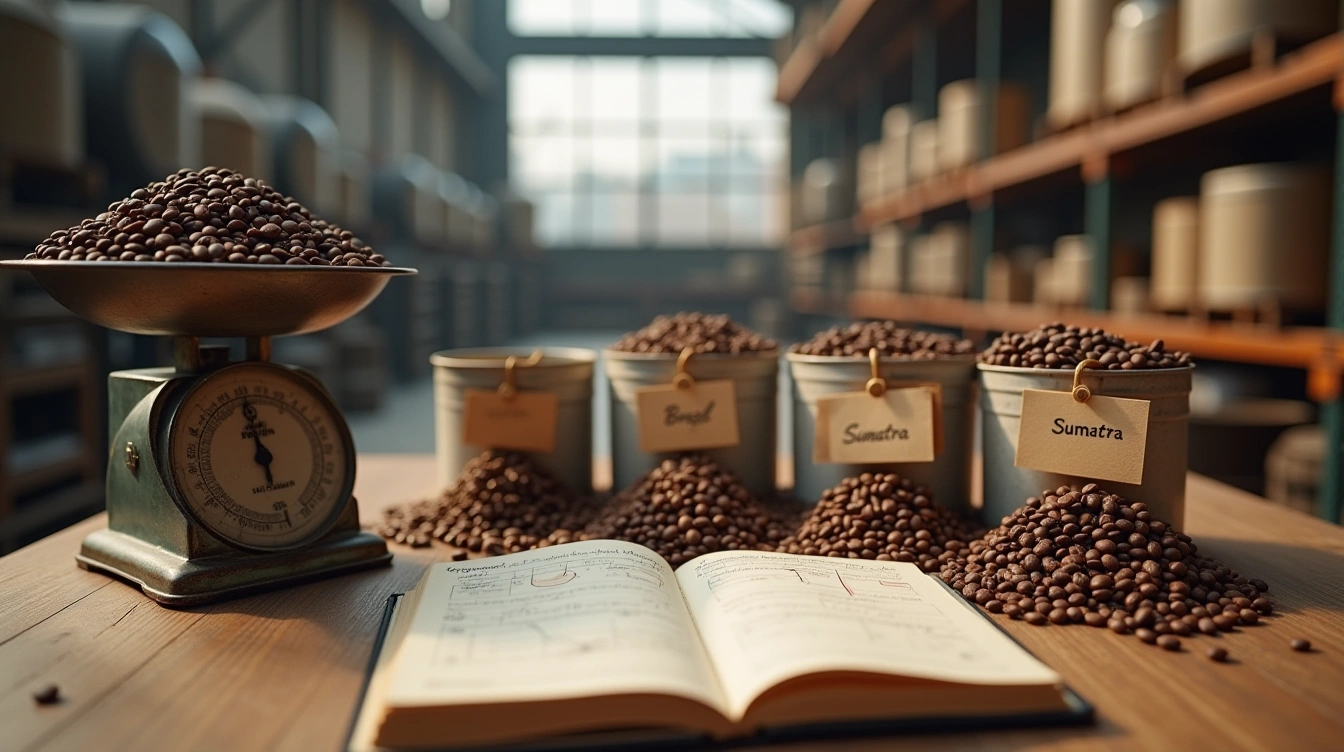
For cafés, restaurants, and office managers aiming to keep freshly brewed coffee available, turning to wholesale coffee beans is often the answer. From aromatic specialty coffee to versatile bulk coffee selections, choosing the right supplier and understanding the various types of beans can make a significant difference in cost, flavor, and customer satisfaction. The wholesale coffee market blends tradition with innovation, where aspects such as roasting methods, origins, and sustainability all play crucial roles.
Types of coffee available in bulk
Bulk coffee encompasses a wide range of categories designed to meet diverse needs and tastes. Enterprises can fine-tune their offerings by selecting from global origins, roast profiles, and specialty choices.
Also to discover : What Are the Latest Innovations in UK Kitchen Product Designs?
Unroasted and green coffee beans: what makes them unique?
Green coffee beans, also known as unroasted coffee beans, arrive straight from the farm without any heat treatment. They offer buyers—especially specialty coffee shops or artisan roasters—the ability to control the entire roasting process. This flexibility supports the creation of distinctive flavors tailored to specific preferences. Green beans tend to have a longer shelf life and lower upfront costs compared to pre-roasted alternatives. Many companies rely on trusted sources, and some prefer to buy from reputable online providers like whoelsale coffee beans when seeking high-quality green beans for their business.
Importers of green beans often focus on traceability, partnering directly with farmers or cooperatives. These close relationships can drive improvements in quality while addressing concerns about sustainability and ethical sourcing. Roasting in-house also opens opportunities for developing signature blends or seasonal specialties.
Topic to read : What Are the Essential UK Kitchen Products You Should Consider Buying?
Roasted coffee beans versus ground coffee: which suits your needs?
Roasted coffee beans are ready for brewing once ground. Businesses looking for maximum freshness usually purchase whole bean coffee and grind it just before each brew, preserving aroma and complexity for a more flavorful cup.
In high-traffic environments where speed is essential, ground coffee offers unmatched convenience. Bulk ground coffee is ideal for offices or cafeterias needing to serve many cups quickly throughout the day. However, storing ground coffee requires careful attention to maintain freshness, as exposure to air accelerates aroma loss.
The basics of wholesale coffee beans
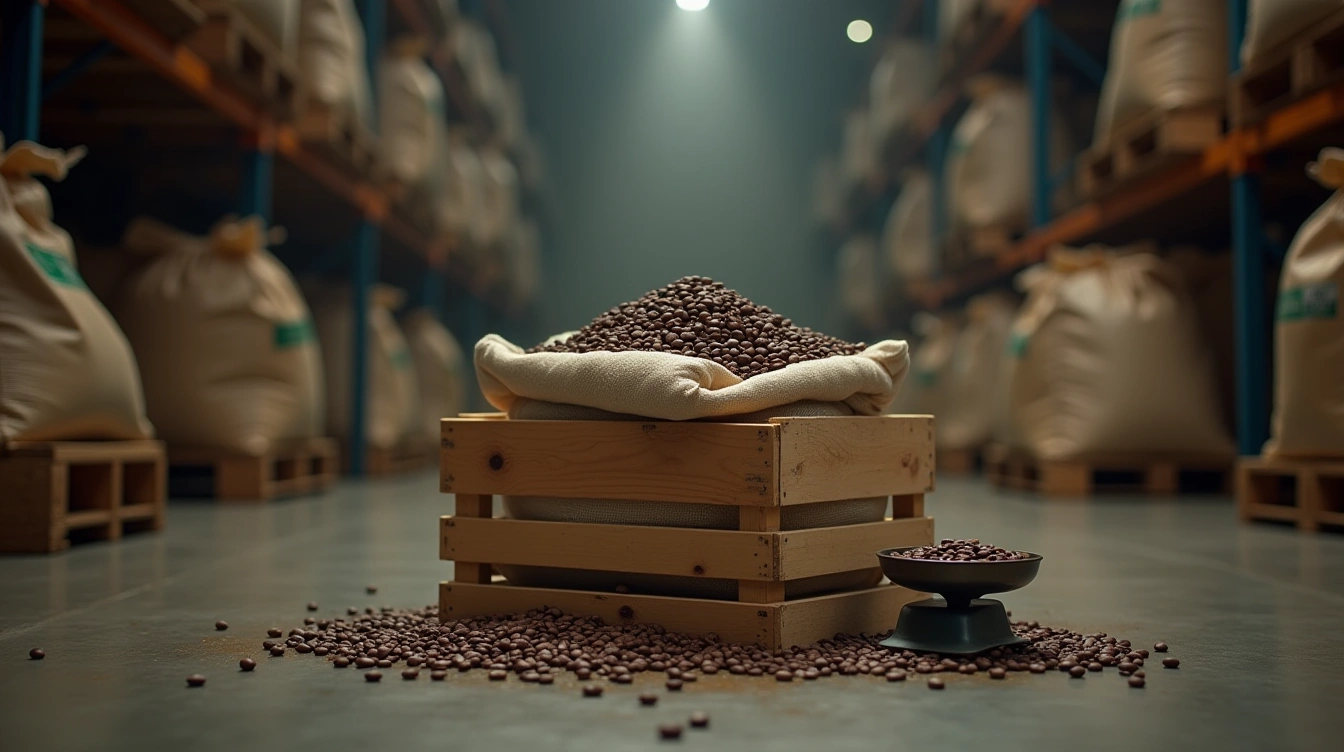
Wholesale coffee beans are typically sold in large quantities to businesses seeking consistent supply and better pricing. Buyers generally select between green coffee beans, which are unroasted and ideal for custom roasting, or roasted coffee beans that can be ground and brewed immediately. The ultimate quality depends on several factors, including origin, bean variety, and processing method.
Coffee suppliers specializing in wholesale provide different formats, such as whole bean coffee and ground coffee. Businesses valuing customizable flavors may opt for unroasted coffee beans, working with a local coffee roaster to create unique blends. Conversely, those prioritizing convenience often choose roasted or pre-ground options, ensuring speed and efficiency during peak service hours.
How to evaluate a coffee supplier?
Selecting a reliable coffee supplier involves much more than comparing prices per pound. Several key considerations help ensure the best fit for a business’s requirements, covering everything from selection to delivery and after-sales support.
Quality assurance and certifications
A reputable supplier should implement strict quality controls, guaranteeing batch consistency and providing documentation like organic, Fair Trade, or Rainforest Alliance certifications. These credentials can enhance brand value and satisfy client expectations. Many wholesalers and roasters allow sampling before committing to large orders, helping businesses confirm product suitability.
Some providers focus on specialty coffee, where limited harvests or rare varieties demand careful sourcing. Specialty-grade beans undergo detailed grading, emphasizing characteristics like flavor clarity, sweetness, and uniformity. Investing in these premium coffees can elevate an establishment’s menu but often comes at a higher cost.
Service, logistics, and flexibility
A dependable supplier adapts to changing demands and shipping needs. For example, some coffee roasters offer private labeling, order customization, or roast-to-order services. Reliable delivery schedules minimize the risk of running out of stock, while responsive customer support helps resolve any issues promptly.
Flexibility in package sizes and delivery frequency simplifies inventory management and reduces waste. Suppliers committed to long-term partnerships frequently work closely with clients to tailor solutions, secure favorable rates, and provide priority access to coveted lots during peak seasons.
Benefits of buying coffee in bulk
Whether running a neighborhood café or supplying a hotel chain, purchasing coffee in bulk brings clear financial and operational advantages. As order volumes increase, the cost per cup decreases, boosting profit margins over time. Additionally, direct relationships fostered through bulk transactions promote transparency and strengthen partnerships with suppliers.
Sourcing via wholesale channels encourages experimentation. Cafés and retailers can rotate single-origin coffees alongside established blends without the hassle of frequent small orders. Lower prices free up resources for marketing initiatives or barista training, supporting overall business growth.
- 💰 Lower unit costs per pound
- 📦 Consistent inventory for steady operation
- 🌱 Better opportunities for direct trade and sustainable choices
- 🎯 Greater room for menu customization and product development
- 🔄 Simplified vendor relations through fewer, larger transactions
Trends shaping the wholesale coffee landscape
Changing consumer preferences have pushed even traditional coffee suppliers to diversify their offerings. There is growing interest in sustainable sourcing, increased demand for specialty coffee, and innovative packaging solutions like nitrogen-flushed bags that preserve freshness in transit. Digital platforms now streamline ordering and enable direct connections among growers, roasters, and retailers, making the industry more dynamic than ever.
Many wholesale buyers prioritize environmental and social responsibility when selecting products. Coffees with traceable origins and authentic stories attract loyal customers who seek both quality and transparency. Technology-driven coffee roasters can share detailed data on roast profiles and flavor notes, enhancing education and openness along the supply chain.
| ☕ Product type | 📈 Shelf life | ⚡ Use case |
|---|---|---|
| Green/Unroasted coffee beans | Up to 12 months | Custom roasting, specialty shops |
| Roasted coffee beans | 2–3 weeks (optimal) | Cafés, restaurants |
| Ground coffee | 1–2 weeks (sealed) | Offices, quick service spots |
Frequently asked questions about wholesale coffee beans
What is the difference between green coffee beans and roasted coffee beans?
Green coffee beans, or unroasted coffee beans, have not undergone any heat treatment and are mainly used by coffee roasters or specialty coffee shops. Once heated, they become roasted coffee beans, which are ready to be ground and brewed.
- 🌱 Green coffee beans: Longer shelf life, customizable roasting
- 🔥 Roasted coffee beans: Immediate brew, richer aroma
| 🟢 Type | ⏲️ Shelf Life |
|---|---|
| Green coffee beans | Up to 12 months |
| Roasted coffee beans | 2–3 weeks (optimal freshness) |
Can businesses buy both whole bean coffee and ground coffee in bulk?
Yes, most coffee suppliers offer both whole bean coffee and ground coffee at wholesale prices. Whole beans retain freshness longer since grinding happens just before brewing, while ground coffee provides added convenience, especially for fast-paced environments.
- ⚙️ Whole bean coffee: Freshness and flavor retention
- 🚀 Ground coffee: Quick preparation, easy use
What should you consider when choosing a wholesale coffee supplier?
Key factors include quality certifications, variety of offerings (such as specialty coffee), reliable delivery, and support services. Sampling batches and evaluating sustainability practices can greatly influence long-term satisfaction with your chosen coffee supplier.
- 🏷️ Certifications: Organic, Fair Trade, Direct Trade
- 🛒 Selection and batch sampling
- 📦 Logistics and consistency of delivery
Why do some cafés choose specialty coffee over standard bulk coffee?
Specialty coffee delivers exceptional flavors, unique origins, and superior quality, appealing to discerning customers. While standard bulk coffee emphasizes affordability and reliability, specialty beans help brands differentiate themselves and justify premium pricing.
| ✨ Key benefit | ☕ Specialty coffee | 💼 Standard bulk coffee |
|---|---|---|
| Flavor profile | Distinctive, complex | Smooth, reliable |
| Customer appeal | Coffee enthusiasts | Broad audience |